
 English
 Español
 عربى
Product Overview
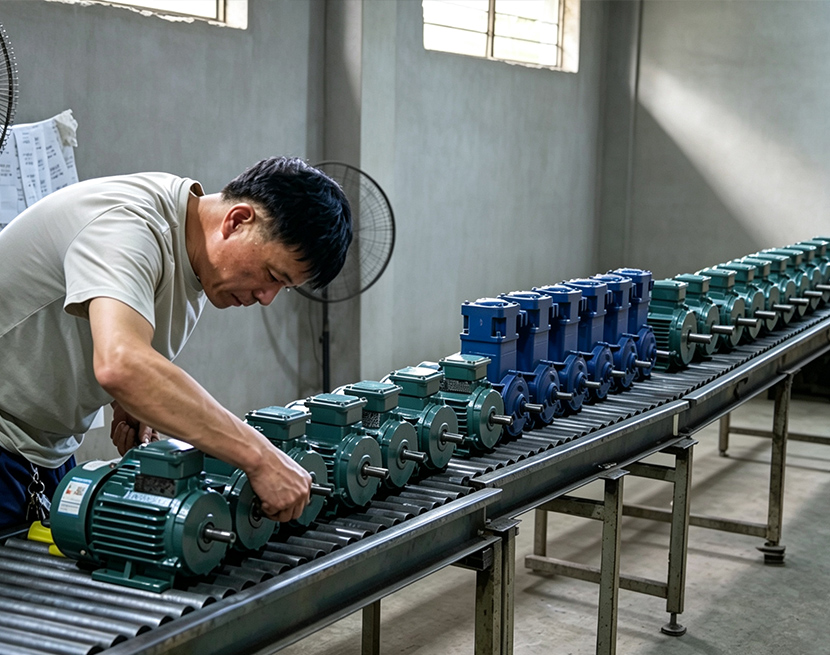
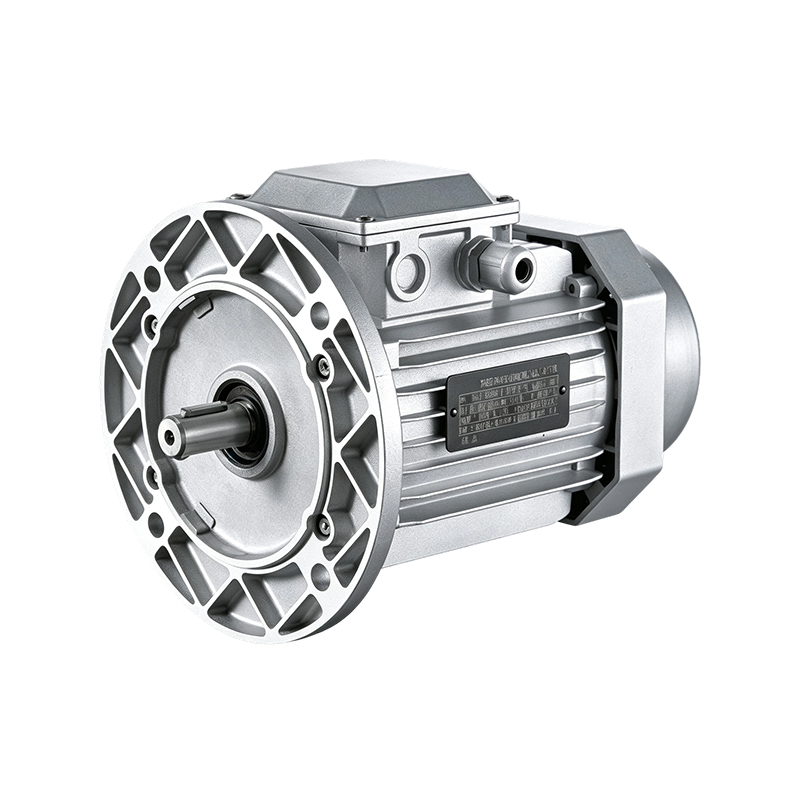
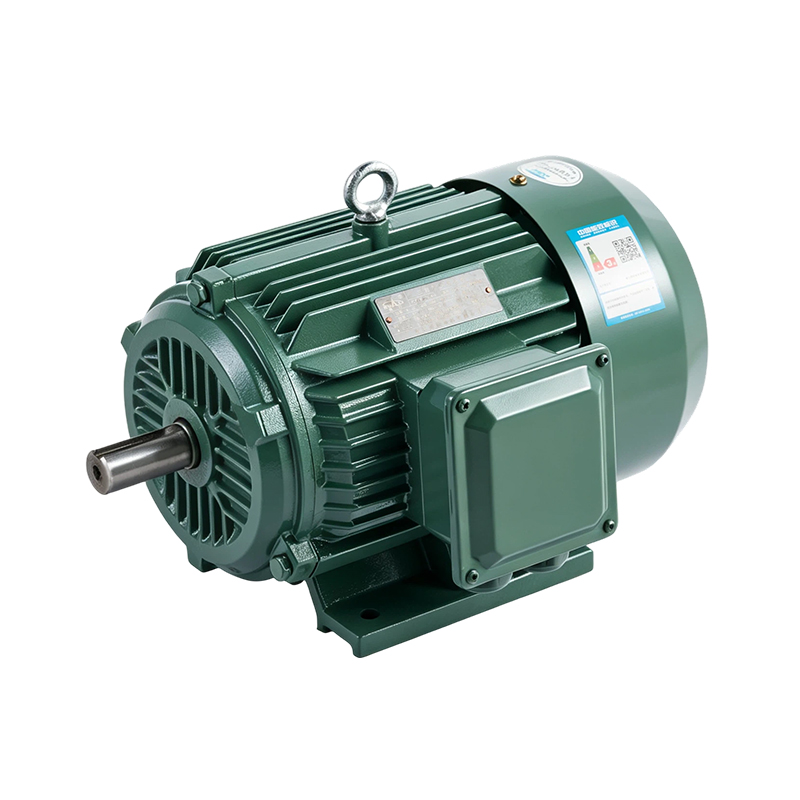
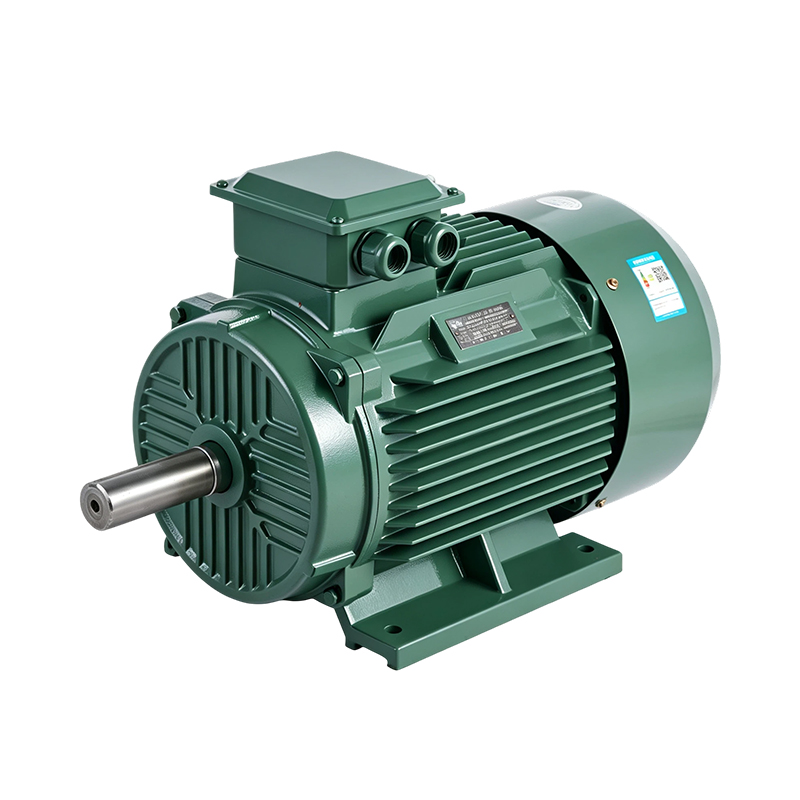
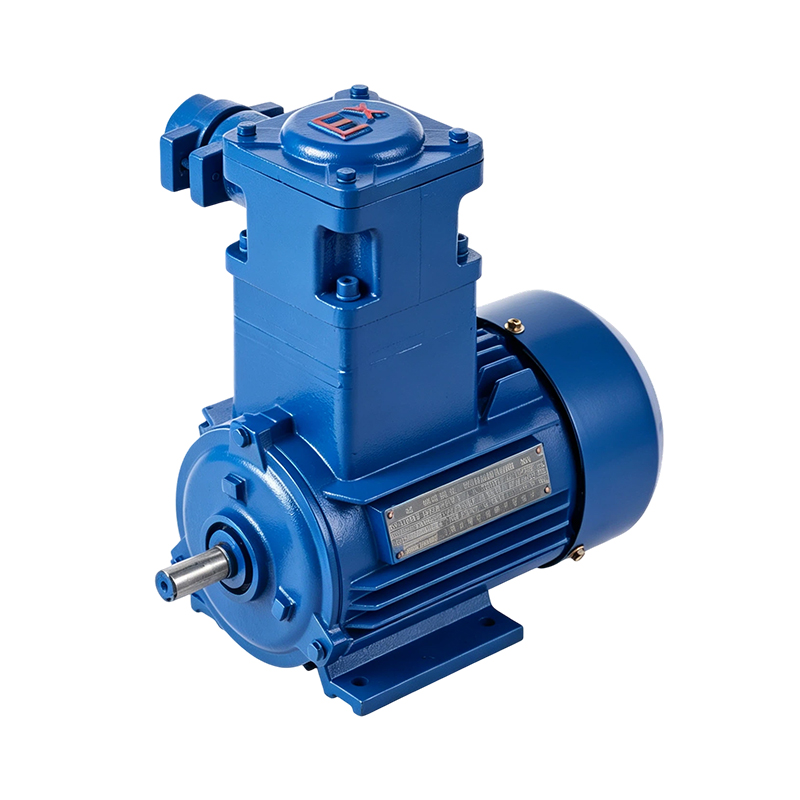
IE3 Cast Iron Motor refers to an IE3 three-phase asynchronous induction motor whose stator frame, end shields and terminal box are grey cast iron castings. The electrical principle is the same as any induction motor: the stator winding creates a rotating field, the squirrel-cage rotor follows it with a small slip, and the shaft delivers torque. Available in 2, 4, 6 and 8 poles, speeds range from about 690 to 2,980 rpm on a 50 Hz supply.
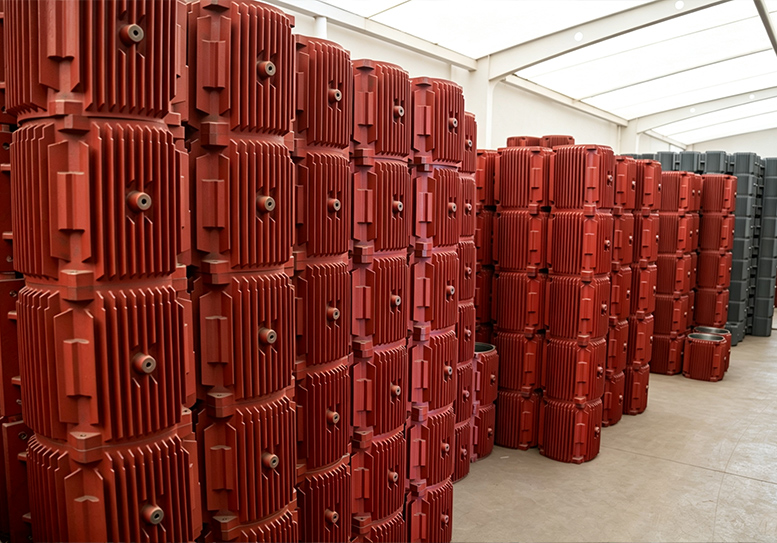
The cast iron housing adds mass and stiffness, which damps vibration and protects the core and windings against knocks, dust and abrasion. Cooling fins are cast into the frame, and an external fan on the non-drive end pushes air across them (IC411). Inside, low-loss silicon steel, copper windings and Class F insulation deliver the IE3 efficiency level.
For buyers, the main trade-off is weight against durability. Cast iron frames are heavier than aluminium ones, but for continuous duty in mines, quarries, chemical plants and ports, the extra mass usually pays back through longer service life and fewer housing failures.
Main points for buyers
- 1Confirm the efficiency class. Check the IE3 marking and ask for efficiency at 100, 75 and 50 percent load, not only the class label.
- 2Check weight and finish. Compare motor weight with base, lifting and freight limits, and specify an anti-corrosion paint system if the site needs one.
- 3Check the mechanical interface. Compare frame size, mounting (B3, B5 or B35), shaft diameter and flange with the driven equipment drawing.
- 4Lock down the electrical data. Confirm voltage, frequency and terminal connection before ordering, because special windings take longer than standard ones.
- 5Request the paperwork. Ask for CE and CCC documents, nameplate data and test reports so customs and your own customers have no questions.
When comparing quotations for IE3 Cast Iron Motor, look beyond the ex-works price. Rated power and frame size set the material content, while copper and silicon steel prices move the figure from month to month. Special voltage, 60 Hz windings, a higher protection class, brakes or encoders add cost, as do test reports and OEM packaging. Order quantity, container loading, sea freight, import duty and local VAT then decide the landed cost per unit, so ask each supplier to quote on the same Incoterm and the same rating.
Typical specification of the IE3 Cast Iron Motor. Values are standard offers; ratings, voltage and options can be adjusted to your order.
| Parameter | Standard Offer | Customization Options |
| Product type | Three-phase asynchronous induction motor, squirrel-cage rotor | ODM design from your working conditions |
| Model series | YE3 series | Private-label model name on the nameplate |
| Efficiency class | IE3 Premium Efficiency (IEC 60034-30-1) | Efficiency test report with the shipment on request |
| Number of poles | 2, 4, 6 or 8 | Pole count selected per order |
| Synchronous speed at 50 Hz | 3,000 to 750 rpm (2 to 8 poles) | Specify the pole count with the order |
| Rated speed at 50 Hz | 690 to 2,980 rpm depending on poles | Depends on power rating and supply frequency |
| Power range | 0.75 to 355 kW | Other ratings on request |
| Frame size | 80 to 355 | Special shaft or flange dimensions on request |
| Rated voltage | 380 V, 400 V or 415 V, three-phase | 220 V to 690 V and other voltages on request |
| Frequency | 50 Hz | 60 Hz winding and nameplate |
| Protection class | IP55 | IP56 or IP65 on request |
| Insulation and temperature rise | Class F insulation, Class B temperature rise | Class H insulation and thermistors on request |
| Duty type | S1 continuous | S2 to S8 on request after thermal check |
| Cooling method | IC411, totally enclosed fan-cooled | IC416 separate fan for VFD operation |
| Mounting | B3, B5 and B35 | V1 and other mounting forms |
| Housing material | Grey cast iron frame, end shields and terminal box | Anti-corrosion paint system on request |
| Ambient and altitude | Minus 15 to plus 40 degrees C, up to 1,000 m | Higher altitude or temperature with derating |
| Options | Standard motor without options | Brake, encoder, space heater, explosion-proof, VFD-ready design |
| Certification and quality system | ISO9001, China CCC, EU CE | Inspection and test documents on request |
| Nameplate, color and packaging | Standard nameplate, standard color, export carton | OEM nameplate, RAL color, wooden case |
Final values for a given rating are confirmed on the datasheet issued with your quotation.
Application
The IE3 Cast Iron Motor is used wherever a reliable, efficient three-phase drive is needed. The sections below cover typical industries, buyer types, selection and day-to-day use.
Application Scenarios
| Industry | Typical Equipment | Why It Fits |
| Mining and quarrying | Crushers, belt conveyors, ventilation fans | The rugged housing resists dust, knocks and abrasion |
| Chemical processing | Process pumps, agitators, exhaust fans | IP55 enclosure keeps splash and dust out; coating options are available |
| Port and construction machinery | Bulk conveyors, mixers, handling equipment | Mass and stiffness absorb vibration and shock loads |
| Pump and HVAC | Large water pumps, cooling tower fans | Stable continuous duty with a long housing service life |
| Machine tools and presses | Hydraulic pump drives, presses, grinders | Cast iron mass damps vibration and supports steady running |
Target Customers
Suitable and Unsuitable Uses
- Dusty, humid or vibrating sites such as mines, quarries and ports
- Continuous-duty drives that run for years between overhauls
- Machines on rigid bases where extra mass is an advantage
- Weight-sensitive or portable equipment
- Explosive atmospheres unless an explosion-proof version is specified
- Installations with strict lifting limits
Selection Guidance
- 1Define the load. Set required shaft power, starting torque and duty cycle before looking at models.
- 2Choose the speed or type. Choose cast iron when the site is dusty, humid or vibrating. Check weight against base and lifting capacity, and ask for an anti-corrosion paint system on coastal or chemical sites.
- 3Set the environment. Note ambient temperature, altitude, dust, moisture and whether IP55 or higher is needed.
- 4Fix the interface. Confirm voltage, frequency, mounting type, shaft size and the documents your market requires.
Usage Notes
- Compare supply voltage and frequency with the nameplate before connecting, and stay within plus or minus 5 percent voltage.
- Check that the star or delta connection matches the nameplate and the supply.
- Measure insulation resistance before the first start, and again after long storage or damp conditions.
- Align the coupling or set belt tension correctly, since misalignment is a leading cause of early bearing failure.
- Keep the fan cover clear and leave space for airflow around the frame.
- Plan lifting with the eyebolts on the frame, and make sure the base is strong enough for the motor weight.
- Fit overload and thermal protection, and respect the permitted number of starts per hour.