1. Industrial Pump Guide: Industrial Pipeline Pump Selection, Sizing, and Maintenance
An Industrial Pump is a critical component in water transfer, pressure boosting, cooling, process circulation, municipal water supply, agriculture, and many other B2B applications. For pipeline systems, choosing the correct Industrial Pipeline Pump requires more than comparing motor power or maximum flow. Engineers should evaluate required flow, total dynamic head, pipe resistance, liquid properties, operating schedule, suction conditions, efficiency, and maintenance requirements.
A properly selected Pipeline Pump can provide stable flow and pressure while reducing energy consumption and unplanned downtime. In practical projects, pump selection should be based on the actual system duty point rather than simply selecting the largest available pump.
2. What Is an Industrial Pipeline Pump?
(1)Working Principle
An industrial pipeline pump typically uses centrifugal force to convert motor power into liquid velocity and pressure. The impeller accelerates the liquid, while the pump casing converts part of that velocity into pressure. The resulting pressure allows the liquid to overcome elevation differences, pipe friction, valves, fittings, and other system resistance.
(2)Typical Applications
- Industrial water transfer and pressure boosting
- Cooling-water circulation and HVAC systems
- Municipal water supply and building services
- Agricultural irrigation and water distribution
- Mining, chemical, textile, lifting, and manufacturing systems
3. Industrial Pipeline Pump Selection: What Engineers Should Check
(1)Flow Rate and Total Head
The first step in industrial pipeline pump selection is identifying the required flow rate and total dynamic head. For example, if a plant requires 80 m³/h at 45 m total head, the selected pump should deliver that duty point efficiently rather than relying only on its maximum rated capacity.
(2)Liquid and Operating Conditions
Water temperature, viscosity, density, solids content, corrosiveness, suction pressure, and operating hours can significantly affect pump performance. Clean-water centrifugal pumps are appropriate for many standard water applications, while abrasive, corrosive, or high-temperature liquids may require specialized materials and sealing systems.
Key parameters for industrial pipeline pump selection
| Parameter |
Example |
Why It Matters |
| Flow |
80 m³/h |
Determines required pumping capacity |
| Head |
45 m |
Determines pressure capability |
| Motor Power |
11 kW |
Must match hydraulic and efficiency requirements |
| Suction Condition |
Adequate NPSH margin |
Helps prevent cavitation |
4. Pipeline Pump Sizing and Industrial Pump Sizing
(1)How to Calculate Pump Duty
For pipeline pump sizing, engineers normally determine static head plus friction losses and pressure requirements. A simplified hydraulic power relationship is P = ρgQH/η. For water at 80 m³/h, 45 m head, and an assumed overall efficiency of 70%, the hydraulic input requirement is approximately 14.0 kW, before considering motor selection margins and actual equipment performance.
(2)Avoid Oversizing
Oversized pumps may operate far from their best efficiency point, causing unnecessary energy consumption, throttling losses, vibration, and mechanical stress. Therefore, effective industrial pump sizing should match the expected operating range and consider future capacity requirements without creating excessive excess head.
- Confirm required flow and pressure.
- Calculate static and friction head.
- Check the pump curve at the expected duty point.
- Verify motor power, efficiency, and operating speed.
- Check NPSH conditions before final approval.
5. Industrial Pump Maintenance and Reliability
(1)Preventive Maintenance
Effective pipeline pump maintenance should include inspection of bearings, mechanical seals, coupling alignment, electrical connections, vibration, operating temperature, pressure, and flow. Operators should establish baseline readings after commissioning so that gradual performance changes can be identified early.
(2)Maintenance Checklist
- Inspect for abnormal vibration or noise.
- Monitor suction and discharge pressure.
- Check seals for leakage.
- Verify motor temperature and current.
- Keep suction strainers and pipelines clean.
6. Industrial Pump Troubleshooting and Pipeline Pump Troubleshooting
Common industrial pump troubleshooting problems include insufficient flow, low discharge pressure, excessive vibration, overheating, abnormal noise, and seal leakage. Pipeline pump troubleshooting should begin by comparing actual operating conditions with the original design duty.
Common pipeline pump symptoms and practical checks
| Symptom |
Possible Cause |
First Check |
| Low Flow |
Blocked suction, wrong rotation, excessive resistance |
Suction pressure and valve position |
| High Vibration |
Misalignment, cavitation, bearing problems |
Vibration and suction conditions |
| Overheating |
Overload, poor cooling, bearing friction |
Motor current and temperature |
| Noise |
Cavitation, air ingress, mechanical damage |
Suction system and NPSH |
7. Pipeline Pump Cavitation and Industrial Pump Cavitation
(1)What Causes Cavitation?
Pipeline pump cavitation occurs when local liquid pressure falls sufficiently for vapor bubbles to form and then collapse as pressure recovers. Typical warning signs include crackling noise, unstable flow, vibration, reduced head, and potential impeller damage.
(2)How to Reduce Cavitation Risk
For industrial pump cavitation prevention, engineers should verify that available NPSH provides an appropriate margin above the pump's required NPSH under the actual operating conditions. Suction piping should also be properly sized, short where practical, and free from unnecessary restrictions. The 2024 Hydraulic Institute NPSH margin guideline emphasizes that the appropriate margin depends on the pump, application, and operating point.
8. Zhejiang Kuayue Motor Co., Ltd. for Industrial Pump Applications
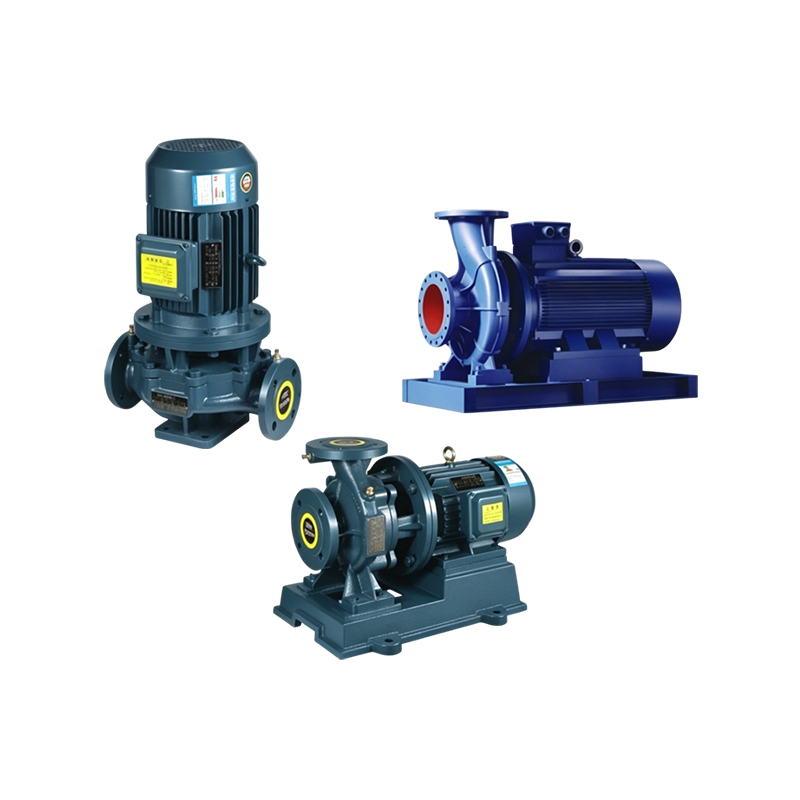
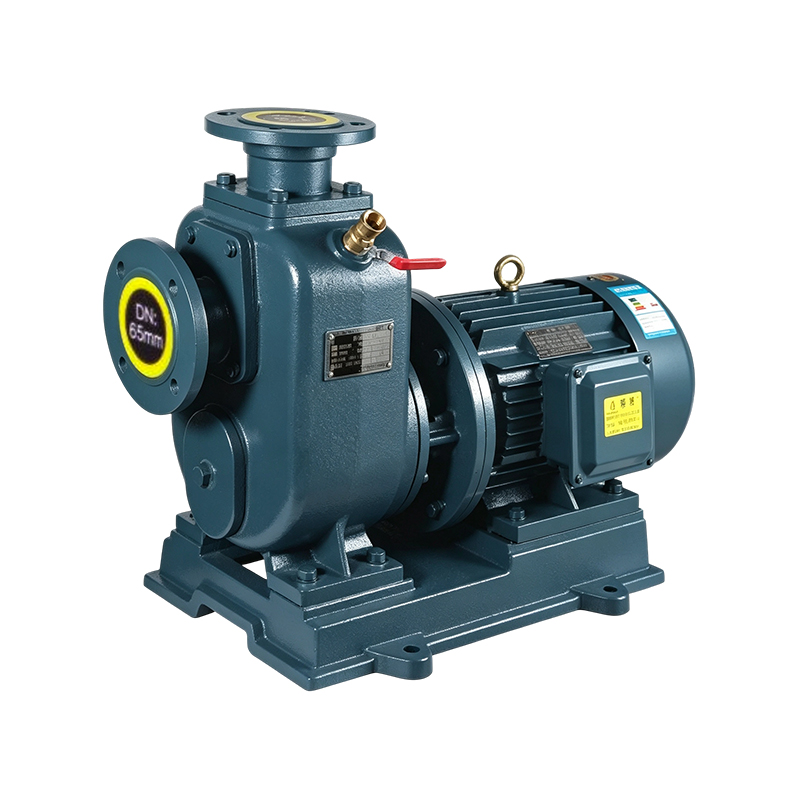
Industrial pumps, including pipeline centrifugal pumps and self-priming clean water pumps, are primarily used for liquid transport and pressure boosting. Available configurations cover a flow rate range of 5.2–160 m³/h, head range of 10–110 m, and matching power output of 0.75–55 kW, supporting water-use requirements across industrial, municipal, and agricultural applications.
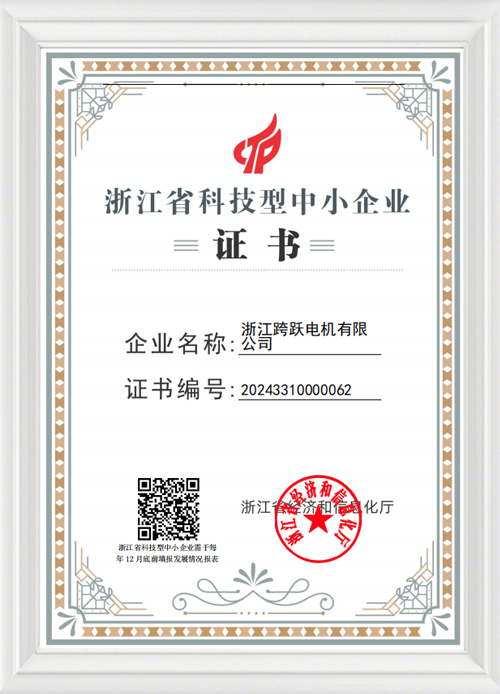
Zhejiang Kuayue Motor Co., Ltd. is an export-oriented manufacturer integrating R&D, production, sales, and export. Located in Luqiao District, Taizhou City, Zhejiang Province, the company has accumulated 34 years of experience in the motor industry. Its production base covers 29 mu and has more than 30 staff members.
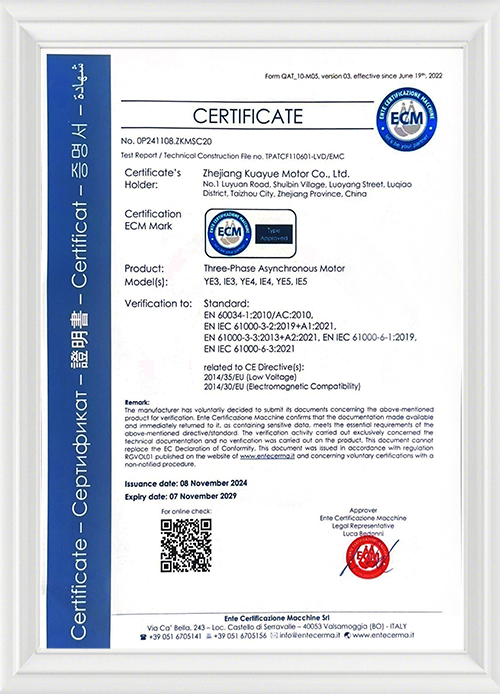
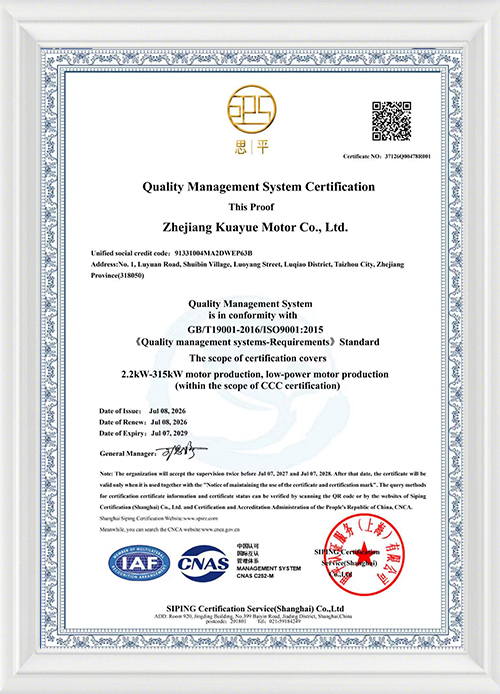
The company's products are manufactured under an ISO9001 quality-management system and hold China CCC compulsory certification and EU CE certification. Motors are sold across more than 20 Chinese provinces and exported to Europe, America, Southeast Asia, the Middle East, and other international markets. Applications include mining, chemical processing, pump and HVAC systems, textile equipment, lifting machinery, machine tools, and port-construction machinery.
9. Frequently Asked Questions About Industrial Pumps
Q1. What is an industrial pump?
An industrial pump is equipment designed to transfer liquids or increase liquid pressure in industrial, municipal, agricultural, HVAC, and process systems. Selection depends mainly on flow, head, liquid characteristics, suction conditions, efficiency, materials, and operating requirements.
Q2. What is an industrial pipeline pump?
An industrial pipeline pump is commonly installed in a piping system to move water or other compatible liquids while overcoming pipeline resistance and elevation differences. Centrifugal designs are widely used because they provide continuous flow and can cover a broad range of industrial duties.
Q3. How does an industrial pipeline pump work?
The motor rotates an impeller, which transfers energy to the liquid. The pump casing then converts part of the liquid velocity into pressure. The resulting pressure enables the liquid to travel through pipes, valves, fittings, and elevation changes.
Q4. What are industrial pumps used for?
Industrial pumps are used for water transfer, pressure boosting, cooling-water circulation, HVAC, irrigation, municipal water supply, mining, chemical processing, manufacturing, and many other liquid-handling applications. The correct pump type depends on flow, head, liquid properties, temperature, and system conditions.
Q5. What are the different types of industrial pumps?
Common industrial pump categories include centrifugal pumps, self-priming pumps, multistage pumps, positive-displacement pumps, diaphragm pumps, gear pumps, and specialized process pumps. Centrifugal pumps are especially common for clean-water and general liquid-transfer applications with relatively continuous flow requirements.
Q6. What is the difference between a pipeline pump and a centrifugal pump?
A pipeline pump describes the pump's application or installation role, while centrifugal pump describes its operating principle. Many pipeline pumps are centrifugal pumps, but not every centrifugal pump is specifically designed for pipeline service. The selection should therefore consider the complete hydraulic system rather than the name alone.
Q7. Why is my industrial pump losing pressure?
Possible causes include blocked suction lines, incorrect rotation, worn impellers, excessive system resistance, air entering the suction side, incorrect valve settings, or operation outside the intended pump curve. Check suction and discharge pressure, flow rate, valve positions, and pump condition before replacing components.
Q8. Why is my pump not producing enough flow?
Low flow may result from insufficient suction pressure, clogged strainers, excessive friction losses, closed valves, incorrect pump rotation, or an incorrectly sized pump. Compare the measured operating point with the manufacturer's pump curve to determine whether the problem is hydraulic or mechanical.
Q9. Why is my pipeline pump vibrating?
Pipeline pump vibration can be caused by cavitation, shaft misalignment, imbalance, worn bearings, inadequate foundation, pipe strain, or operation far from the preferred operating region. Sudden changes in vibration should be investigated promptly because continued operation can accelerate mechanical damage.
Q10. Why is my pump overheating or making unusual noise?
Overheating may indicate motor overload, poor cooling, excessive friction, bearing problems, or abnormal hydraulic conditions. Unusual noise can indicate cavitation, air ingress, bearing wear, or impeller damage. Checking current, temperature, vibration, suction pressure, and operating flow provides a practical starting point for diagnosis.


 English
 Español
 عربى
عربى