
 English
 Español
 عربى
Product Overview
A three phase induction motor is an AC motor that uses a rotating magnetic field generated by the stator to induce current in the rotor and produce torque. In common squirrel-cage designs, the rotor operates without a direct electrical connection. For industrial procurement, the key task is matching the motor's electrical ratings and mechanical interface to the driven equipment and available power supply. A motor with unsuitable frame dimensions, shaft specifications or mounting arrangements can cause installation delays, so buyers should define the application and operating conditions before selecting a model.
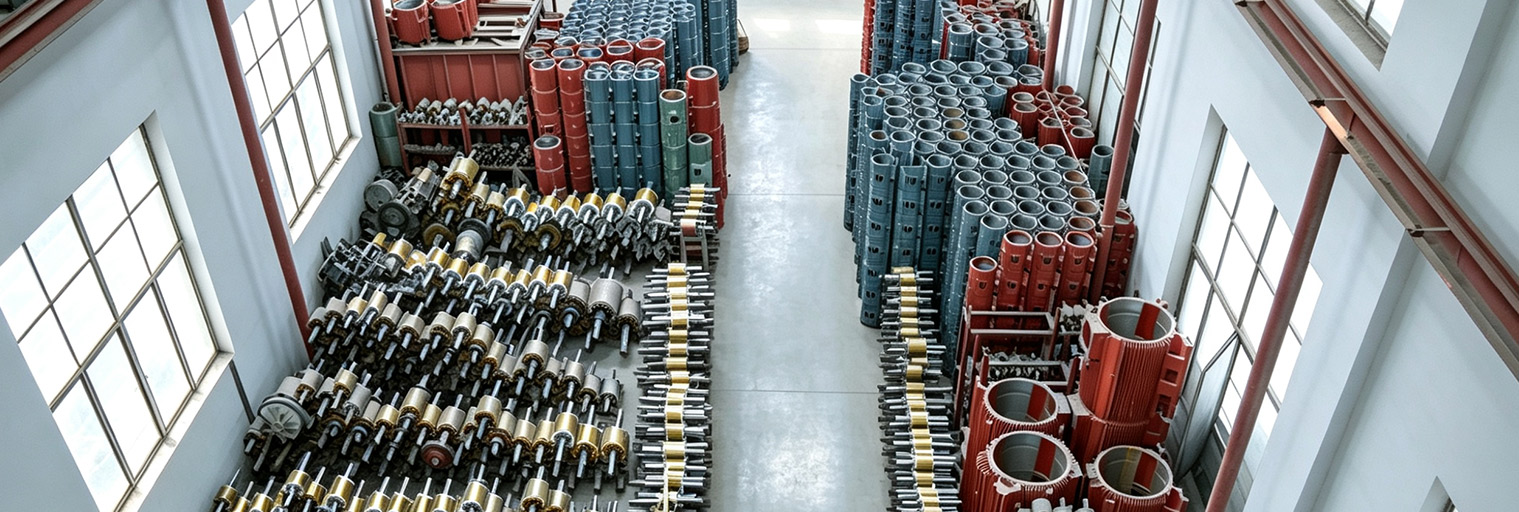
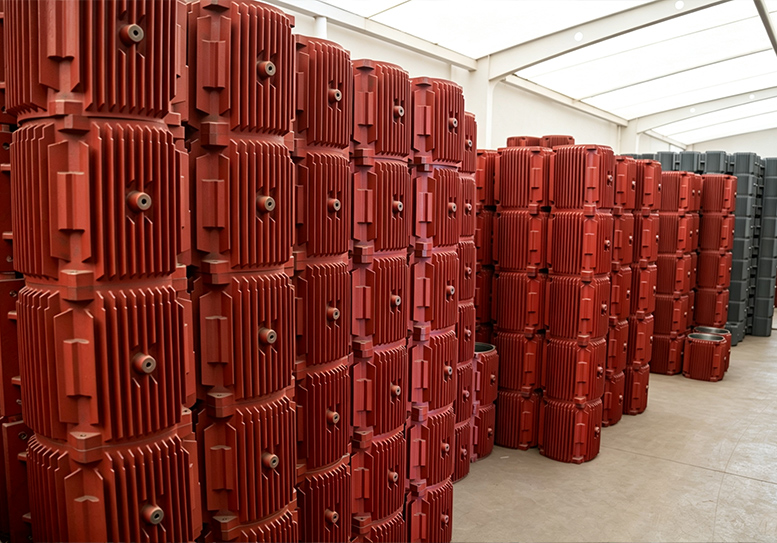
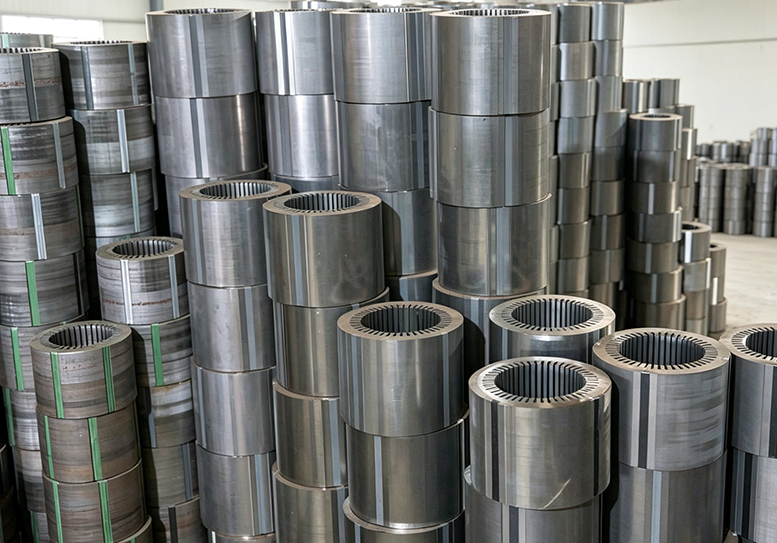
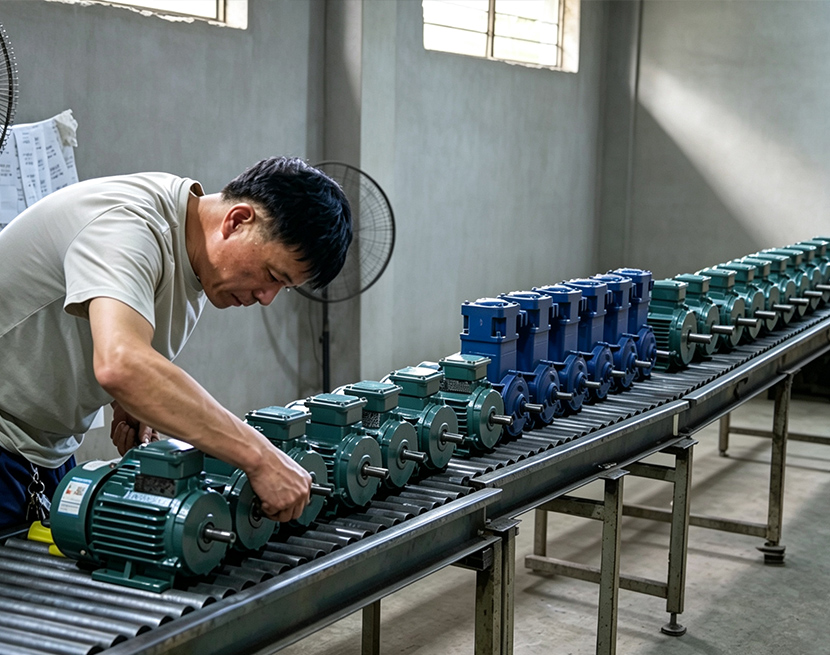
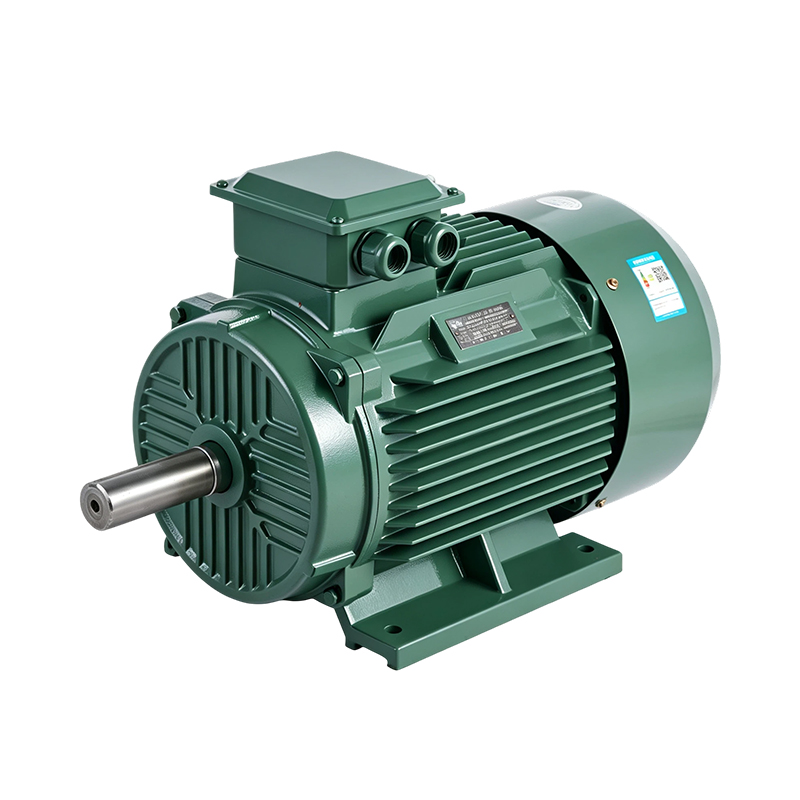
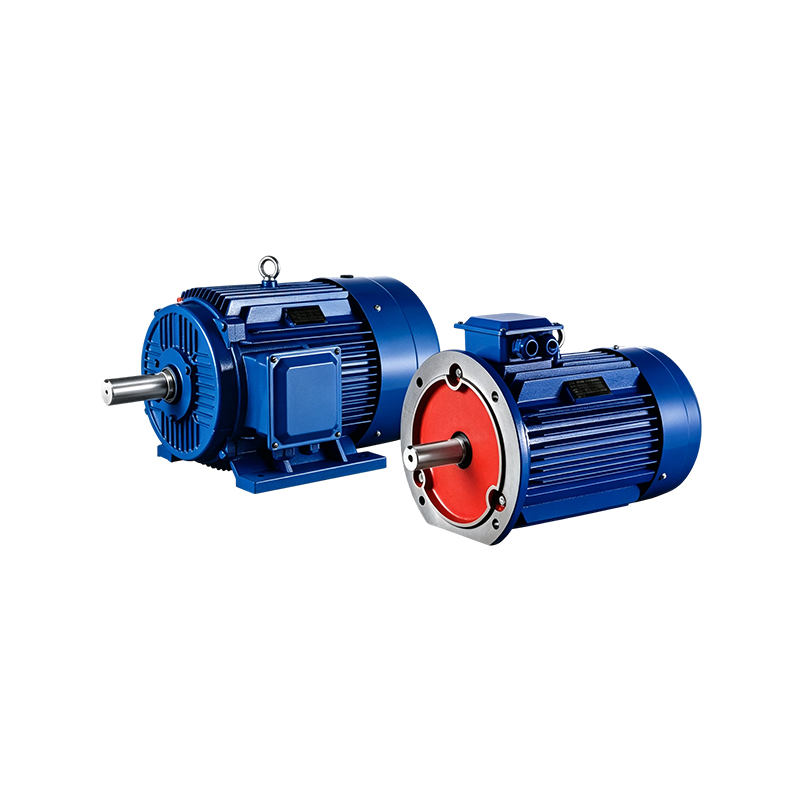
The main assemblies generally include a stator, rotor, shaft, bearings, frame, end shields, cooling fan and terminal box. Exact construction, enclosure and mounting details vary by motor series and specification. These motors are commonly used to drive pumps, fans, compressors, conveyors and production machinery. Depending on equipment design, they may use foot-mounted, flange-mounted or other specified configurations. Consistent model identification and configuration are also important for equipment integration, maintenance and repeat purchasing.
Main Points for Buyers
Check the stator, rotor, shaft, bearings, frame, cooling parts and terminal box, together with any optional brake or special construction required for the selected series.
Specify rated output, voltage, frequency, pole number, speed and connection method to ensure compatibility with the power supply and driven equipment.
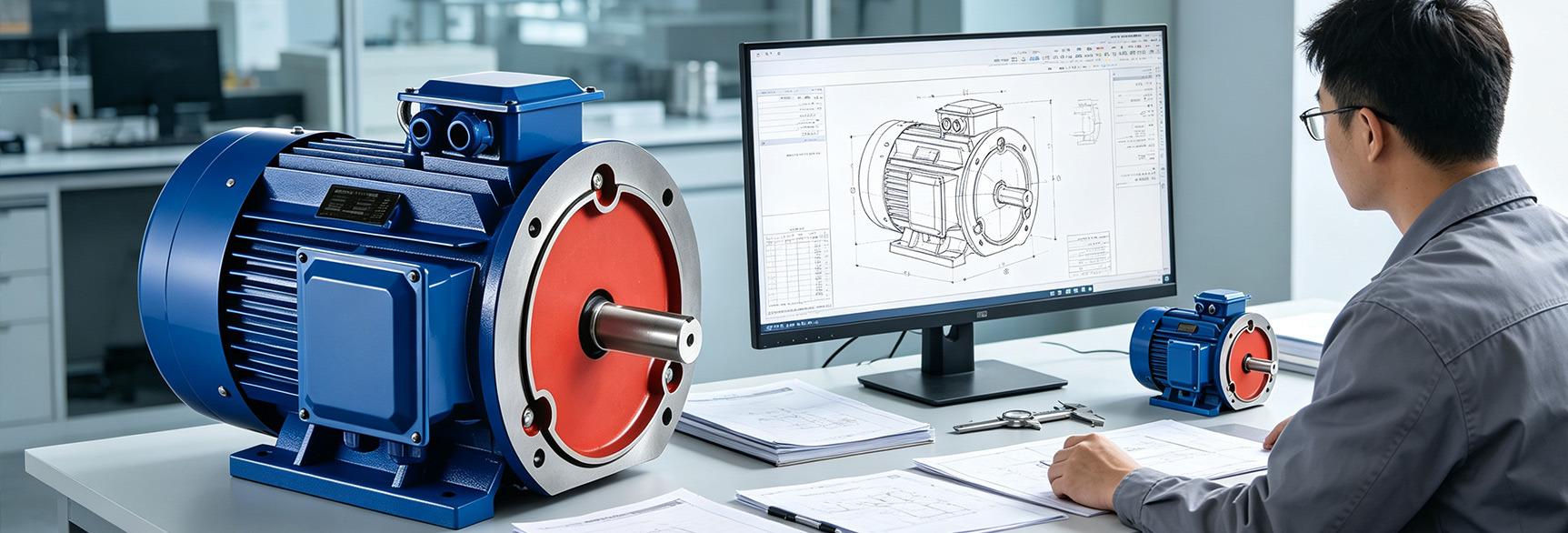
Provide the frame size, foot or flange arrangement, shaft diameter, shaft length, keyway and terminal-box orientation where these affect installation.
Confirm the required efficiency class, enclosure or IP level, insulation class and duty rating. Check suitability for the applicable standard and operating environment.
Confirm whether the order involves standard or customized models, the product mix, packaging and target quantity. MOQ and delivery timing depend on the production plan.
For new projects, discuss sample availability and performance verification before mass production. Request model-specific datasheets and certificates relevant to the destination market.
When comparing quotations, look beyond the ex-works unit price. Motor output, efficiency class, voltage, frequency, pole configuration, mounting and shaft customization, enclosure, optional functions, nameplate and packaging all affect the product cost. The landed cost also depends on order quantity, carton or pallet arrangement, shipment volume, freight mode, insurance, destination charges, duties and inspection or documentation requirements. Ask suppliers to quote against the same technical specification and delivery basis for a meaningful comparison.
Technical Specifications
The following specification guide outlines the main technical information required when selecting a three phase induction motor. Final values and available configurations depend on the selected motor series, approved drawings and application requirements.
| Motor Type | Three phase AC induction motor; confirm the selected series. |
| Rated Output | Select according to the driven load, required power and starting conditions. |
| Rated Voltage | Specify the local power supply voltage and required connection. |
| Frequency | 50 Hz or 60 Hz as required; confirm the applicable nameplate rating. |
| Pole / Speed | Select the pole number and corresponding rated speed for the application. |
| Efficiency Class | Specify the required efficiency class, such as IE3 or IE4 where available. |
| Frame and Mounting | Confirm frame size, foot or flange arrangement and installation dimensions. |
| Shaft Configuration | Specify shaft diameter, length, keyway and other relevant interface dimensions. |
| Terminal Box | Confirm terminal-box position, cable entry direction and connection requirements. |
| Enclosure / Protection | Confirm the required IP protection level and suitability for the installation environment. |
| Insulation / Temperature Rise | Confirm the applicable insulation class and temperature-rise requirements. |
| Duty Rating | Specify the operating duty according to the equipment's working cycle. |
| Cooling Arrangement | Confirm the cooling method and ventilation requirements for the selected model. |
| Operating Environment | Provide ambient conditions, installation location and any special environmental requirements. |
| Certification | Confirm applicable certificates, standards and coverage for the exact motor model and destination market. |
| Technical Documents | Request the current datasheet, dimension drawing, nameplate details and relevant inspection records. |
Industrial Motor Applications
Three Phase Induction Motors are widely used in pumps, fans, compressors, conveyors, machine tools and general-purpose industrial drives. The appropriate model depends on the driven load, electrical supply, mechanical interface and operating environment. Buyers should define the application and working conditions before comparing supplier quotations.
01Industrial Use Scenarios
Pumps and Water Systems
Requirement: Continuous or intermittent torque, depending on the pump load curve.
Selection: Match rated power, speed, coupling and mounting arrangement.
Fans and Ventilation
Requirement: Stable rotation and airflow performance under the intended operating conditions.
Selection: Check fan inertia, starting method and duty cycle.
Compressors
Requirement: Suitable starting torque and compatibility with the compressor's operating cycle.
Selection: Verify load characteristics and power supply capacity.
Conveyor Systems
Requirement: Sufficient starting torque and running-load capacity.
Selection: Check the reduction gearbox, load variation and service factor.
Machine Tools
Requirement: Appropriate speed, power and mechanical compatibility.
Selection: Confirm precision requirements, duty and mounting dimensions.
Production Machinery
Requirement: Motor output and operating characteristics matched to the machine.
Selection: Review the production cycle, load profile and installation conditions.
02Target Customer Groups
Focus on model range, technical documentation and total landed cost. Orders may start with a trial shipment.
Prioritize consistent specifications, product availability and planned inventory replenishment.
Require electrical and mechanical compatibility, sample approval and repeatable production specifications.
Focus on technical compliance, project quantities and coordinated delivery documentation.
Need replacement compatibility, model identification and availability for maintenance inventory.
Look for OEM cooperation involving nameplates, packaging and consistent product configurations.
03Suitable Applications and Limitations
This category is suitable for industrial buyers who can define the required motor type, electrical ratings, mounting arrangement and operating duty. It is also relevant to OEM projects where the motor is integrated into machinery or equipment packages, as well as replacement procurement when the existing motor nameplate and mechanical dimensions are available. Final selection should follow the exact model datasheet and the driven equipment manufacturer's requirements.
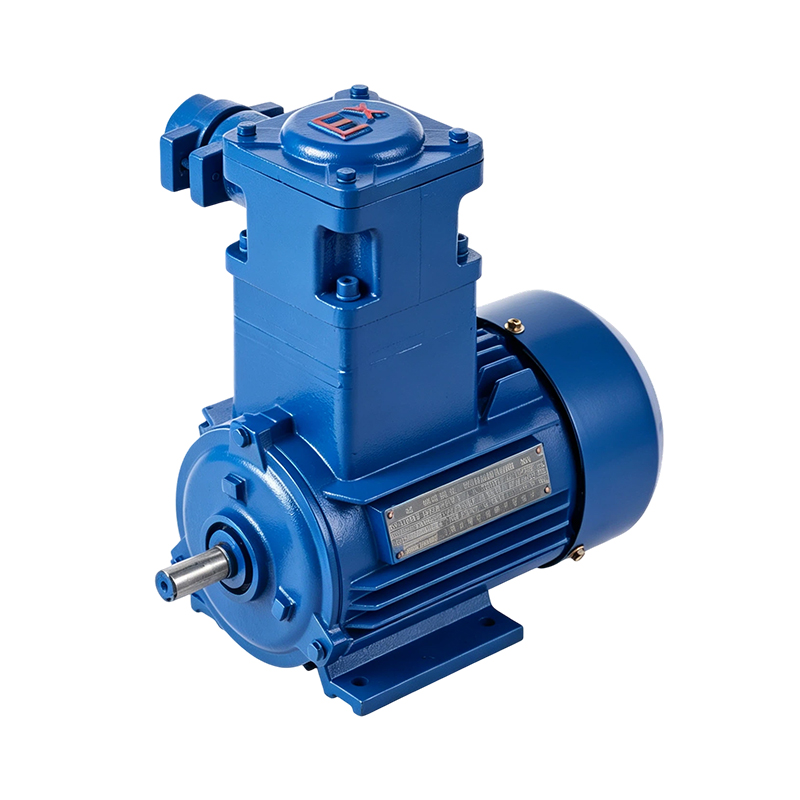
A category name alone is not sufficient for motor approval. Do not select a model if its output, voltage, frequency, speed, starting characteristics, mounting or enclosure cannot be verified against the application. A standard motor should not be assumed suitable for hazardous areas, unusual ambient conditions, frequent starts, inverter operation or special duty unless the exact design has been specified and confirmed for that use.
04Installation and Usage Precautions
- Confirm the driven machine's load, required output, starting conditions and operating cycle before choosing the motor.
- Check supply voltage, frequency, phase, connection and control method against the motor nameplate and site power system.
- Verify frame, mounting, shaft dimensions, coupling, alignment and available installation space before shipment or replacement.
- Select enclosure, cooling and protection according to dust, moisture, temperature, ventilation and other site conditions.
- For VFD, brake or explosion-proof requirements, obtain written confirmation that the exact motor configuration is suitable. Do not infer suitability from a general product category.
- Before commissioning, follow the motor and equipment instructions, use qualified personnel, and check wiring, grounding, protection settings and mechanical guarding.